
Bone Growth & Limb Deformities in Children
20 Jan, 2026
Understanding Pediatric Orthopedics
In the specialty area of Pediatric Orthopedics, which involves the diagnosis, treatment, and management of musculoskeletal problems affecting children, there are many different types of musculoskeletal concerns that can develop. The constant growth and development of the child's bones make it very important to detect any abnormality as soon as possible. Child bone deformities (or misalignments) and other musculoskeletal issues can severely limit mobility, posture, and, ultimately, the quality of life for children when left untreated.
Common Bone & Limb Issues in Children
Examples of common orthopedic problems that occur in children include:
- Congenital deformities (such as clubfoot and differences in limb length)
- Injuries to growth plates that affect the growth and development of bones
- Scoliosis and curvature of the spine
- Knock knees and bowed legs
- Injuries resulting from accidents (broken bones)
If a problem is identified early enough, it can be treated immediately, which leads to more successful long-term outcomes for children.
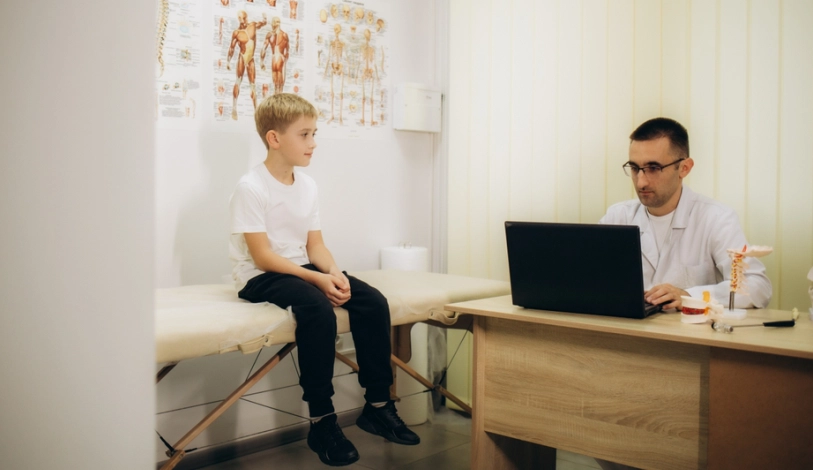
Role of Pediatric Orthopedic Specialists
Children diagnosed with problems affecting their bones and muscles can benefit from a pediatric orthopedic hospital in jaipur, where professionals specializing in treating children with such problems can provide specialized treatment for these children. Pediatric orthopedic surgeons evaluate growth patterns and diagnose accurately using diagnostic imaging techniques; additionally, they create individualized treatment plans for the patient based on these evaluations. A pediatric orthopedic surgeon will create treatment plans that address child-specific treatments in an age-appropriate manner that encourage healthy bone development while minimizing other possible risks associated with treating children.
Limb Correction Surgery & Treatments
The limb correction surgery is one of the treatment options available to correct severe deformities and/or misaligned limbs of children. Today, pediatric orthopedic surgery is a process that corrects structural abnormalities, changes in mobility and function, complications arising from the child's growing condition, and so forth. In addition, some children who have a limited number of limb correction surgical options may be treated with non-surgical treatments, such as braces and physical therapy, when possible. These non-surgical limb correction options are generally considered to provide less invasive, yet effective, care for the child.
Monitoring Bone Growth
It is important for a child to receive regular check-ups with a pediatric orthopedic physician to monitor the development of their bones. This is especially true for children who have had prior skeletal problems or who have experienced trauma. Conducting the appropriate evaluations at the appropriate time will help identify deformities early and allow the physician to adjust treatment to accommodate the growing child.
Supporting Overall Child Development
Providing appropriate orthopedic care has many benefits beyond just resolving a child’s deformity. With the assistance of proper orthopedic care, a child can have an active lifestyle, participate in sports, and develop self-esteem in their ability to complete day-to-day activities. Pediatric orthopedic teams collaborate with physicians, parents, caregivers, and physical therapists to provide the most comprehensive level of support possible during an entire treatment and recovery process.