
Neonatal Jaundice: What’s Normal, What’s Not?
03 Oct, 2025
The first few days after your baby is born can feel like a blur—feedings, diaper changes, barely any sleep and then someone notices a little yellow tint on your baby’s skin.
“Is that jaundice?”
You ask. The nurse nods gently and says, “It’s quite common.”
But as a parent, nothing feels “common” when it’s happening to your newborn.Let’s walk through what neonatal jaundice actually means, what to look out for, and when it needs more than just observation.
What Is Neonatal Jaundice?
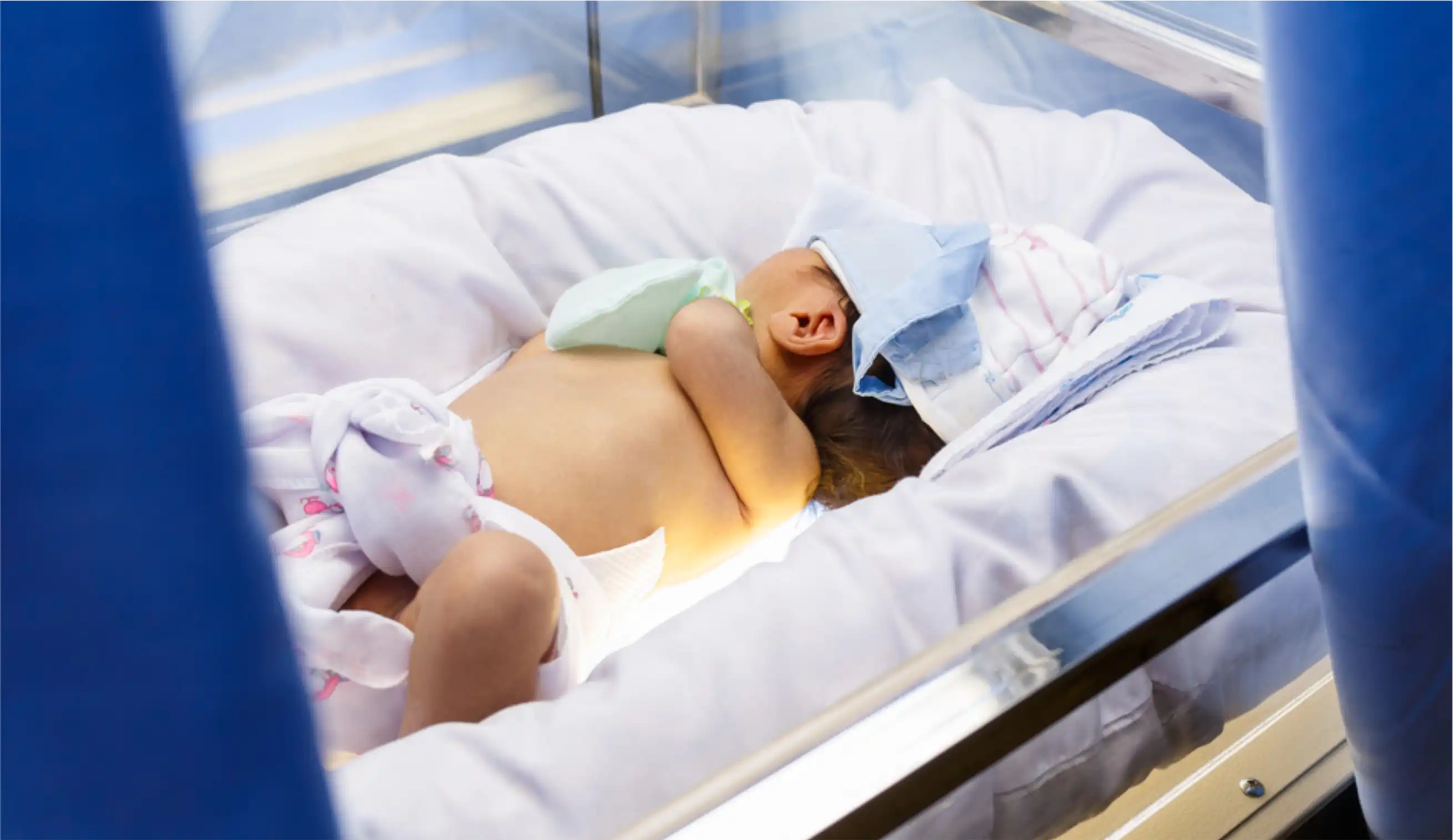
Neonatal jaundice happens when there’s too much bilirubin in a baby’s blood. Bilirubin is a yellow pigment produced during the normal breakdown of red blood cells. In adults, the liver takes care of it. But in newborns especially those born a little early—the liver may not be mature enough to do the job efficiently.
As a result, you might notice a yellowing of the skin or eyes—usually between day 2 to 5 after birth.
At Neo Clinic, one of the best neonatal hospitals in North India, we see this almost every day. And in most cases, it resolves on its own. But some babies need a little extra help.
When Should You Worry?
Here are some signs that jaundice in newborns might need medical attention:
• The yellow color appears within the first 24 hours
• The yellowing spreads to the arms, legs, or soles
• Your baby is very sleepy and has trouble feeding
• There’s vomiting, high-pitched crying, or stiff body movements
• The baby was born prematurely or has a low birth weight
• There’s a family history of blood group incompatibility or hemolytic disease
These symptoms don’t always mean something serious—but they do mean your baby should be evaluated by a neonatologist in Jaipur immediately.
How We Check It at Neo Clinic
When a baby shows signs of jaundice, we don’t jump into treatment. First, we measure bilirubin levels using either a skin scan (transcutaneous bilirubinometer) or a small blood test.
Then we compare the levels to your baby’s age in hours to decide what’s next.
Treatment Options We Offer
At Neo Clinic, we’ve cared for thousands of newborns with jaundice over the last 15+ years. Here's how we typically approach it:
• Phototherapy – The baby is placed under special blue lights that help break down bilirubin in the skin. This is safe, painless, and highly effective.
• Feeding Support – Frequent breastfeeding helps flush out bilirubin naturally. We assist mothers in establishing feeds, especially in the early days.
• Advanced Care – In rare cases with very high levels, we may perform exchange transfusion. This is done in our Level 3 NICU in Jaipur, equipped for critical care.
How Neo Clinic Stands Out
What makes our care different is not just the technology—but the experience.
We have:
• A Level 3 Neonatal ICU with round-the-clock specialists
• Expert neonatologists in Jaipur available 24x7
• Over 100 pediatric and neonatal beds
• A dedicated jaundice management protocol to prevent complications
• An empathetic team that supports parents emotionally as well
We’ve seen anxious first-time parents breathe a sigh of relief when their baby improves under our care—and that trust is what drives us every day.
Final Thoughts
Jaundice is often the first little bump on the road of parenting. Most babies get through it just fine. But your instinct as a parent matters. If something doesn’t feel right, speak up.
At Neo Clinic, we’ll never tell you not to worry. We’ll sit with you, explain what’s happening, and take every step needed to keep your newborn safe.
Because at the end of the day, every newborn deserves not just treatment but gentle, expert care that reassures parents too.