
Why Kids Need a Pediatric Dentist
16 Dec, 2025
Taking your child to the dentist is often thought of as an emergency only when certain situations arise, such as toothaches, cavities, or other dental injuries. As a result, parents often underestimate the importance of early intervention and regular checkups for their child’s oral health. Although baby teeth seem delicate and are normally expected to be lost, these teeth play an important role in developing your child’s self-esteem, overall health, and physical development.
Understanding why kids need a pediatric dentist and why it is critical to providing the best dental care for your child. Pediatric dentists do not merely serve as "kids' dentists"; rather, pediatric dentists are professionals specifically trained to manage the unique dental care requirements, concerns, and behaviors of children from infancy through adolescence, as well as the growth and development of their teeth and jaws.
What Makes a Pediatric Dentist Different?
A pediatric dentist goes through additional years of specialized training focused specifically on infant, toddler, child, and teen oral health. This includes understanding jaw development, childhood habits, behavior management, preventive care, and treatment of dental conditions unique to growing kids.
They know how to make a child feel safe, comfortable, and understood something that can completely change how a child views dental care for life.
When parents search for a child dental care specialist, they’re really looking for someone who can blend medical expertise with patience, compassion, and child-friendly communication.
The Importance of Early Dental Visits
The importance of early dental checkups for kids infants, and toddlers is on an upward trajectory. According to the American Academy of Pediatric Dentistry, a child should have their first dental appointment before they reach the age of 1 or no later than 6 months after the emergence of their first tooth. While this may come as a shock to some parents, the benefits of bringing your child to the dentist early are substantial, including:
- Early identification of cavities
- Providing parents with advice and guidance regarding issues such as thumb-sucking and the infant's eating habits (i.e., using a bottle)
- Protecting against discomfort due to advanced stages of dental problems
- Establishing a place to go for ongoing dental care and assistance.
- It's important to note that many times, dental erosions in a young child can go unrecognized until they are too severe for effective treatment and painful to the child.
Why Early Care Matters So Much
Young children rely heavily on their primary teeth, as they assist in properly chewing food, producing clear speech sounds, and ultimately allowing young children to feel confident in their ability to smile. Primary teeth also act as placeholders or guides for the permanent teeth that will eventually erupt. If a child's primary teeth are allowed to decay or are lost too early in life, it could lead to many different problems, including malocclusion, spacing issues, and speech difficulties, as well as lower self-esteem.
This is where the benefits of pediatric dentistry for children truly shine:
Providing Cavity Prevention
Dental decay is one of the leading causes of disease among children today. A pediatric dentist uses preventative measures such as fluoride treatments, sealants, and early screening to help protect young children's teeth.
Monitoring Dental Development
Children's jaws and teeth are constantly changing and developing. A pediatric dentist will be able to monitor these changes and identify any potential problems with regard to tooth alignment, crowding, or gingival soft tissue health during routine dental examinations.
Motivating Children to develop good oral hygiene
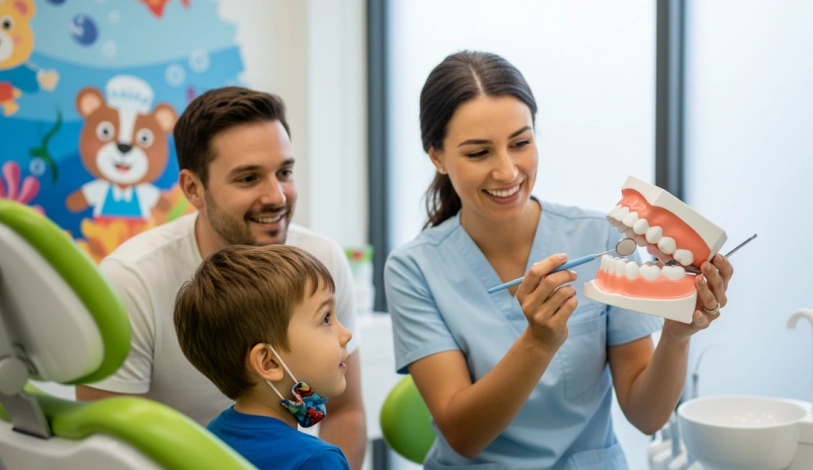
Children learn best in an enjoyable environment. Pediatric dentists provide children with the opportunity to learn about proper brushing and flossing techniques in a fun, stimulating environment. This creates a positive atmosphere that will allow young children to retain the knowledge and skills they acquire.
Establishing a Trusting Relationship
Early positive dental experiences help to alleviate fear, anxiety, and pain and instill lifelong healthy associations with visiting the dentist.
Creating a Fear-Free Dental Experience
Many adults have anxiety about going to the dentist, so it is easy to see why children can sometimes feel anxious about this same experience. To help alleviate these feelings of anxiety, pediatric dentists design their practices to be child-friendly through the use of cheerful color schemes, toys, cartoons, and smaller dental tools. Additionally, the pediatric dentist's communication is warm, fun, and supportive.
They know how to handle children who feel anxious, shy, restless, or scared. A general dentist may be excellent for adults, but children need someone trained specifically to respond to their emotional and developmental needs.
The need of children for a Pediatric Dental Provider is significantly attributed to the caring and understanding of the child.
Managing Common Childhood Dental Problems
Kids face many dental issues as they grow:
- Tooth decay
- Gum infections
- Tooth injuries from falls or sports
- Early or late tooth loss
- Thumb-sucking–related problems
- Sensitivity or enamel defects
Since a child’s mouth changes rapidly, early detection makes all the difference. Pediatric dentists can identify concerns long before they turn into painful or complicated issues.
A Pediatric Dentist Supports Overall Well-Being
Healthy teeth affect a child’s overall nutritional quality (as they eat healthier when their teeth are healthy), development of speech (they learn how to speak and pronounce words correctly), building confidence, how well they interact socially (i.e., making friends), their ability to focus and do well in school, and long-term health. Children who have not received dental care for the problems they have in their mouth often experience difficulties with concentration, sleeping, and being comfortable through their daily activities. By working with a pediatric dentist to prevent small problems from becoming large obstacles for children.
Prevention Is Always Better Than Treatment
Parents often focus on treatment, but prevention saves time, money, and stress.
Pediatric dentists help families:
- Create the right brushing routine
- Control sugar intake
- Understand teething patterns
- Manage habits like thumb-sucking
- Choose the right toothpaste, brushes, and diet
- Know when to expect permanent teeth
This personalized guidance is one of the biggest benefits of pediatric dentistry for children.
When Should You Visit a Pediatric Dentist?
Bring your child to a pediatric dentist if you notice:
- Tooth sensitivity or pain
- White or brown spots on teeth
- Bad breath that doesn’t go away
- Unusual tooth gaps
- Difficulty chewing
- Premature tooth loss
- Thumb-sucking beyond age 4
But remember: regular routine checkups every six months are the most important step.
Final Thoughts
Your child's smile is a part of them and it deserves expert care. Whether it is your child's very first tooth or that journey with braces through their teenage years, a pediatric dentist walks beside you every step of the way.
Choosing a child dental care specialist can ensure your little one gets gentle, knowledgeable, and joyful dental care for a healthy smile throughout his or her lifetime.