
The Sound of Childhood: A Guide to Managing Coughs and Congestion
25 Feb, 2026
If there is one sound that can keep a parent's heart racing at 2:00 AM, it’s the repetitive "hack-hack-hack" coming from the bedroom down the hall. Cough in children is incredibly common, and while it sounds distressing, it is actually one of the body’s most important defense mechanisms. A cough is simply the body’s way of clearing the "pipes", keeping the airway free of mucus, dust, or irritating secretions.
At Neoclinic Children’s Hospital, we know that no two coughs are exactly alike. Understanding whether your child has a "wet" productive cough or a lingering dry cough in kids can help you determine the best path to recovery and when it’s time to call in the professionals.
Decoding the Different Types of Coughs
Not all coughs require the same approach. Here is how to tell the difference:
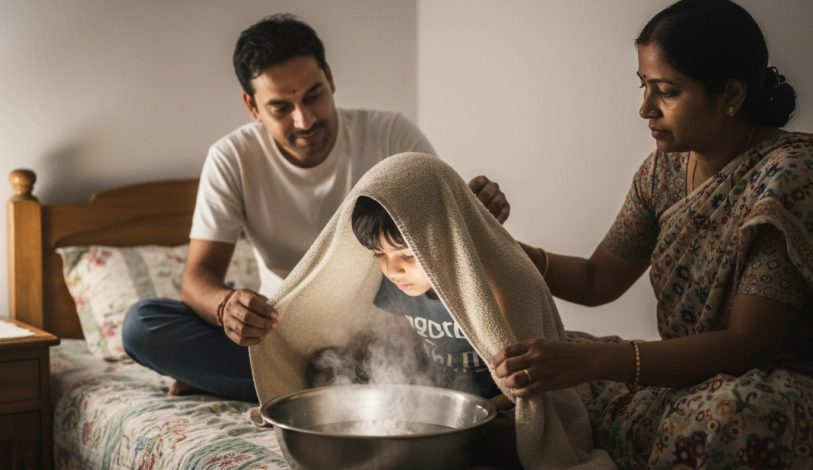
- The Barking Cough: If your child sounds like a seal, it often indicates croup, which is swelling in the upper airway. This often sounds worse than it is but requires cool air or steam to soothe.
- The Wet, Productive Cough: This usually accompanies a cold or flu. The body is trying to move phlegm out of the lungs. In this case, you don’t actually want to "stop" the cough entirely, as it’s doing a vital job.
- The Dry, Tickling Cough: A dry cough in kids is often caused by irritation from a scratchy throat or post-nasal drip (mucus dripping down the back of the throat). This type of cough is often most aggressive at night when the child lies flat.
Finding the Right Child Cough Treatment
When your child is exhausted from coughing, your first instinct is to find a way to make it stop. However, child cough treatment is more about soothing the irritation than "turning off" the reflex.
For children under the age of four, most paediatricians including our team at Neoclinic strongly advise against over-the-counter cough and cold medicines. These medications often have side effects like a rapid heart rate or extreme drowsiness and haven't been proven to be more effective than simple home care.
Instead, focus on keeping the airways moist. A cool-mist humidifier in the bedroom can work wonders for a dry, irritating night cough. If your child is over one year old, a spoonful of honey before bed has been shown in clinical studies to be just as effective as chemical suppressants at coating the throat and reducing the urge to cough.
Gentle Pediatric Cough Remedies
If you’re looking for safe, effective pediatric cough remedies, start with the basics of hydration. Warm fluids like decaffeinated tea, warm lemon water, or chicken broth help thin out the mucus, making it much easier for the child to cough it up and clear their system.
For infants who are too young for honey or tea, focus on nasal hygiene. Using saline drops to rinse out the nose can prevent the "drip" that triggers coughing fits in the first place. Keeping the head of the bed slightly elevated (only for older children who no longer sleep in a crib) can also use gravity to keep the airways clear during the night.
When to Visit Neoclinic
While most coughs are simply part of a viral cycle that lasts 10 to 14 days, there are moments when a cough needs a closer look. You should seek pediatric cough remedies and a professional evaluation if:
- Your child is struggling to breathe or breathing very rapidly.
- You hear a high-pitched whistling sound (wheezing) when they breathe in or out.
- The cough is accompanied by a high fever that lasts more than a few days.
- Your child seems unusually lethargic or is refusing to drink fluids.
At Neoclinic, we are here to help you breathe easier literally. Whether it’s a lingering cold, asthma, or a seasonal allergy, our goal is to find the root cause and get your child back to their healthy, active self.