
Winter Illnesses in Kids & How to Prevent Them
18 Dec, 2025
A Parent’s Simple, Heartfelt Guide for the Cold Season
Winter brings cozy sweaters, warm food, and festive joy. But for many parents, it also brings sleepless nights, runny noses, coughs, and doctor visits. Children are more vulnerable during winter because their immune system is still developing. Understanding the common winter illnesses in kids and knowing simple prevention steps can help you protect your little one throughout the season.
This guide is written to make you feel supported not stressed so you can focus on keeping your child safe, warm, and healthy.
Why Winter Affects Children More
The Science Behind ‘Winter Sickness’
The Cold weather doesn’t cause children to fall ill. It provides an ideal setting for spreading germs. Being in closed areas and lacking immunities increases their risk of contracting diseases. Thus, all parents must know the signs of winter infections in children and how to prevent them.
Common Winter Illnesses in Kids
Early Symptoms Every Parent Should Watch For
Winter affects children in different ways. Here are the most common winter illnesses in kids:
1. Common Cold
The most frequent winter visitor
Sneezing, stuffy nose, mild cough, and watery eyes these are typical. Kids catch colds easily because hundreds of cold viruses exist, and their immunity is still building.
2. Flu (Influenza)
Sudden Fever and Body Ache.
Flu is easily contagious during winter. Symptoms of flu include:
- High fever
- Body aches
- Very sleepy
- Headache
Early treatment can help to prevent complications.
3. Bronchiolitis
Mostly found in infants below the age of 2 years
It is a virus, which affects the lungs. It can cause a baby to cough, wheeze, and breathe rapidly. It is more severe in babies.
4. Pneumonia
Serious infection of the lungs It may begin as just common cold symptoms, but pneumonia may quickly progress. One should be on the lookout for symptoms such as high fever, cough, difficulty breathing, and weakness.
5. Strep Throat
Painful throat infection
If your child complains of severe throat pain, difficulty swallowing, or fever, it may be strep throat.
6. Infections in the ear
Usually come after a cold or flu
When fluid builds up in the ear, it can hurt, cause a fever, and make you cranky, especially in toddlers.
7. Gastroenteritis (Stomach Flu)
Winter vomiting & diarrhea
Rotavirus is a common cause. Symptoms include vomiting, diarrhea, abdominal cramps, and dehydration.
Understanding these common winter illnesses in kids helps parents take timely action and avoid complications.
Winter Infections in Children: Why They Spread So Fast
How germs travel during the cold season
Kids touch everything, play closely with other children, and often forget to wash hands. This makes winter infections in children spread faster.
Some reasons:
- Low indoor ventilation
- School and daycare gatherings
- Increased virus survival in cold air
- Weaker immune responses in winter
- Sharing toys, books, and surfaces
When parents understand these factors, prevention becomes much easier.
Child Winter Health Care Tips
Practical, Everyday Tips That Truly Work
Parents don’t need complicated routines just simple and consistent care. These child winter health care tips will help keep your child safe:
1. Dress in Layers
Warm but breathable clothing helps maintain body temperature. Avoid overdressing, which can cause sweating and chills.
2. Boost Immunity with Winter Foods
Include:
- Citrus fruits
- Amla
- Nuts and seeds
- Warm soups
- Herbal teas
Healthy food strengthens the body from within.
3. Hydrate
You’ll experience decreased water intake, especially during cold winter months. To stay hydrated, consider drinking warm water, soups and/or coconut milk.
4. Cleanliness Within The Home
The simple act of washing one's hands on a daily basis can be very effective against spreading wintertime germs.
5. Humidifier
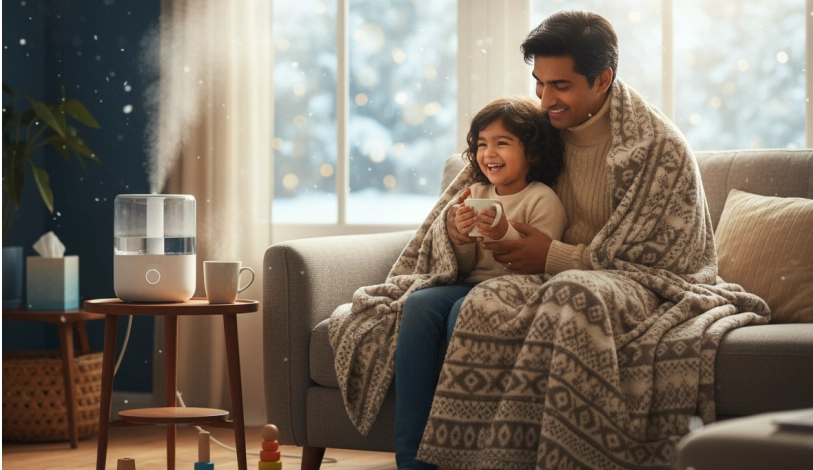
Wintertime can also cause dry air. Dry air may cause irritation in your throat and/or lungs, and to prevent that, you should consider using a humidifier to increase the humidity level indoors.
6. Sleep Schedule
Being well-rested increases your body's ability to fight illness. Make sure your child is receiving the age-appropriate amount of sleep each night.
7. Avoid Too Many Crowded Indoor Spaces
Especially during peak flu season.
Cold and Flu Prevention for Kids
Simple Habits That Make a Big Difference
It is natural for parents to worry about catching colds and flu, especially when their children are around other people who have colds or flu. However, with a little attention, you can help build your child's immune system. Here are some of the most effective ways to prevent colds and flu for children:
1. Good Hand Washing Habits
Have fun with this! Sing songs to the children while they wash their hands, and buy colorful soaps to keep their attention.
2. Wearing Face Masks When Outbreaks Occur
Especially in crowded locations and schools where there are several children who are sick.
3. Keeping Children's Surroundings Clean
Cleaning and sanitizing toys, school books, and backpacks, as well as frequently touched surfaces, helps to keep the spread of germs down.
4. No Sharing of Drink Bottles or Towels
It is a quick way to pass germs around!
5. Good Nutrition
A healthy digestive system will strengthen the immune system.
6. Keep Children Active
Maintaining a light exercise regimen in the home will help to keep a child's mood up and improve their immune system during winter months.
7. Get an Annual Flu Vaccine
This is one of the strongest ways to help protect children from colds and flu.
Using these steps for cold and flu prevention for kids significantly lowers the risk of winter illnesses.