
Newborn Critical Care Awareness
12 Jan, 2026
Understanding Newborn Critical Care
The initial days of life for a newborn are critical and often fragile. Some newborns will require more intensive medical treatment depending on the reasons for being delivered preterm or at a low-weight; (e.g. Newborns born prematurely or at lower weights may experience respiratory problems and infections, in addition to any complications that may arise during the birthing process). Newborn critical care will provide newborns with advanced medical care during this critical time period to ensure their survival, stabilization, and continued healthy development.
What Is a Neonatal Intensive Care Unit (NICU)?
The Neonatal Intensive Care Unit (NICU) provides specialized medical services to newborns that are sick or were born prematurely. The staff includes doctors specializing in neonatal medicine, nurses, and respiratory therapists. The NICU uses the latest technology to monitor the infant's well-being 24 hours per day.
- Newborns can be monitored for their heart rate, oxygen saturation, and respiratory rate while they are in the NICU.
- Newborns in the NICU may also require respiratory therapy using either mechanical ventilators or continuous positive airway pressure.
- The NICU provides temperature-controlled rooms to keep newborns at a safe body temperature.
In addition to providing nutritional support to newborns in the NICU, it also helps prevent infections. Newborns in the NICU rely on this type of care because their organs are still developing.
Importance of Premature Baby Care
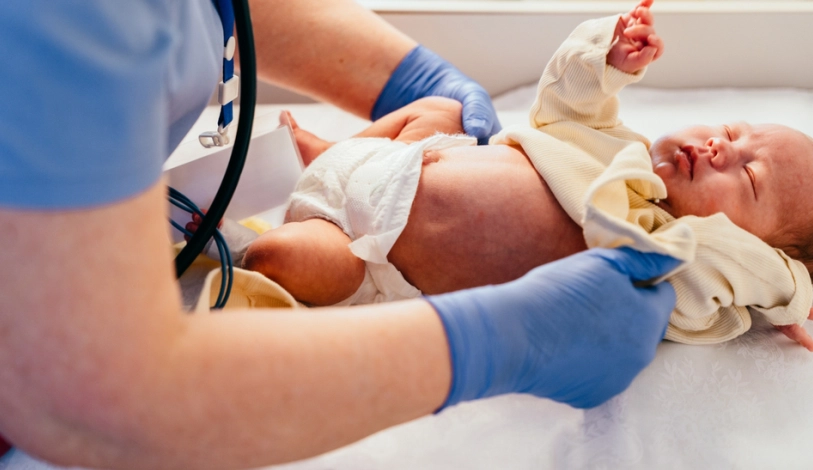
Premature baby care is one of the most important functions of a NICU (neonatal intensive care unit). Babies who are born before 37 weeks of gestation usually experience various developmental issues due to their lungs not being completely developed, as well as their immune systems and digestive systems not being fully developed. Premature infants must often be assisted with breathing support and feeding, along with the ability to maintain their own body temperatures. Timely access to critical neonatal nursing care will assist the premature infant in becoming stronger over time through continuous and close monitoring and treatment to help ensure that they successfully reach their significant developmental milestones safely.
Role of a NICU Hospital in Jaipur
When selecting a Neonatal Intensive Care Unit (NICU) hospital in Jaipur, you want to choose one that can save your child's life. An appropriately equipped NICU will have state-of-the-art diagnostic equipment, cutting-edge life-support devices, and the most qualified neonatal experts available. All NICU hospitals adhere to evidence-based guidelines to guarantee patient safety and the best possible care.
NICU hospitals also emphasize family-centered care; NICU hospitals keep parents informed, involved, and properly emotionally supported throughout the process of their child recovering from their condition.
Why Early and Timely NICU Care Matters
Having access to an incubator provides an opportunity for a child with a medical problem to receive timely assistance from a team of health professionals and to be placed in an environment where they will be cared for at the highest level for the rest of their life. Children who receive the right type of NICU treatment are much more likely to live long, healthy, and productive lives, due in part to early intervention and ongoing clinical assessments.
Supporting Families During NICU Care
Families are often emotionally drained after having a premature baby; this is especially true for families whose newborn is in the NICU (Neonatal Intensive Care Unit). Because of this, NICU caregivers provide support to parents via education, counseling, and frequent communication with families. By facilitating bonding through skin-to-skin contact (or kangaroo care), assisting parents with breastfeeding, and encouraging parental participation in their infant's care, NICU teams play a critical role in promoting the child's recovery from illness or injury.