
Common Childhood Infections and How They Are Treated
28 Mar, 2026
Introduction
Children share snacks, touch every surface in sight, and come home carrying germs from dozens of other kids. Nobody warns new parents how often young children fall sick, and that reality hits hard in the early school years. Frequent infections in children are not a parenting failure. They are simply what happens when a small body is still building its defences. Most of the time, rest and basic care are enough. But knowing when to step in makes all the difference.
Why Young Children Get Sick So Often
Classrooms are built for sharing. Water bottles, crayons, snacks, and toys pass through many hands each day. Children sneeze without covering their mouths and rarely remember to wash their hands. Crowded family gatherings, dusty playgrounds, and changing weather add to exposure. Late bedtimes and poor diet quietly lower the body's ability to fight back. Every illness teaches the immune system something new, but the learning curve is long and the road is bumpy. Seeking child infection treatment in Jaipur through an experienced pediatric specialist means the right diagnosis, the right plan, and a recovery that sticks.
Viral Illnesses
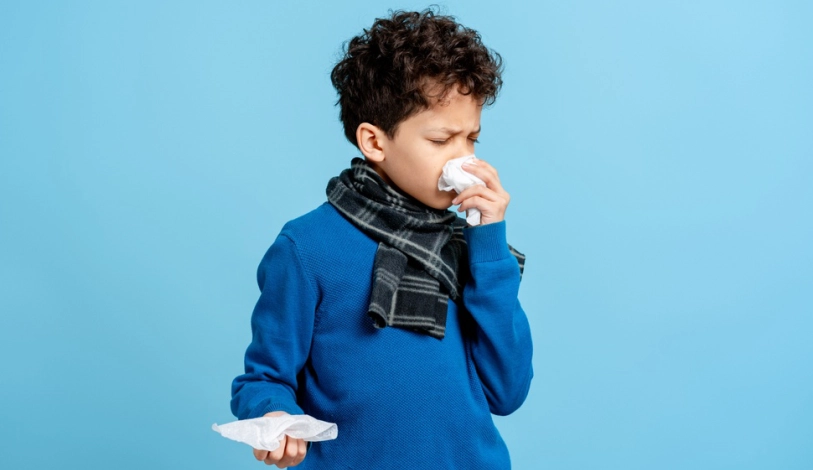
Viral infection in kids is the most common reason families visit a clinic. Viruses travel fast through the air, on surfaces, and through shared objects. The common cold, flu, chickenpox, and hand, foot and mouth disease are what parents deal with most. Fever, runny nose, sore throat, and tiredness are familiar warning signs. Most cases settle within four to five days with rest and fluids. One rule every parent must know: antibiotics do nothing against a virus. Using them without cause only creates bigger problems later.
Bacterial Illnesses
Unlike viruses, bacterial infections do not clear on their own. Strep throat, ear infections, pneumonia, and urinary tract infections are the most common in children. Catching bacterial infection symptoms early allows parents to act before things escalate. A fever above 102°F that does not drop after two days is a clear warning sign. So are severe throat pain, persistent ear discomfort, swollen neck glands, and a cough that worsens each day. A doctor must confirm the diagnosis before any antibiotic is started. Once prescribed, the full course must be completed. Stopping midway because the child seems better is one of the most common and costly mistakes parents make.
Respiratory Infections
A young child's airways are smaller and more sensitive than an adult's. Persistent coughing, wheezing, and visible breathing difficulty signal real stress on the body. Mild cases improve with steam inhalation, warm fluids, and rest. More severe symptoms may need nebulisation. Significant breathing difficulty requires hospital care without delay.
Home Care Tips
Good home care genuinely shortens recovery. Keep fluids going through the day water, lime juice, coconut water, and homemade soup all support the body. Prioritise sleep, because the immune system works hardest during rest. Never give medicines without professional advice, as the wrong drug or dose can slow recovery. Do not send a sick child back to school until fully well.
Prevention
Strong daily habits prevent repeated illness. A balanced diet supports a stronger immune system. Vaccinations remain one of the most powerful tools available keeping the schedule updated protects children from serious diseases. Teach proper handwashing after the toilet, before meals, and after coming in from outside. A fixed bedtime matters equally. Sleep is when the most important repair work gets done.
When to See a Doctor
See a doctor the same day if your child has a fever above 102°F not responding to basic care, is struggling to breathe, has ear pain, is vomiting repeatedly, or shows signs of dehydration. If the symptoms of a bacterial infection don't get better after three days, treating it at home isn't enough. In Jaipur, looking for treatment for a child's infection through an experienced pediatric specialist means the right diagnosis, the right plan, and a recovery that sticks.
Conclusion
Getting sick during childhood is unavoidable. Frequent infections are part of growing up, and most pass without lasting impact when handled well. Recognizing viral infections in children early prevents unnecessary antibiotic use. Catching bacterial infection signs before they worsen stops simple conditions from turning serious. Good habits, timely attention, and the right child infection treatment in Jaipur give every child the strongest start possible.