
Back-to-School Infections: How to Protect Your Child During the Rainy Season
27 Aug, 2026
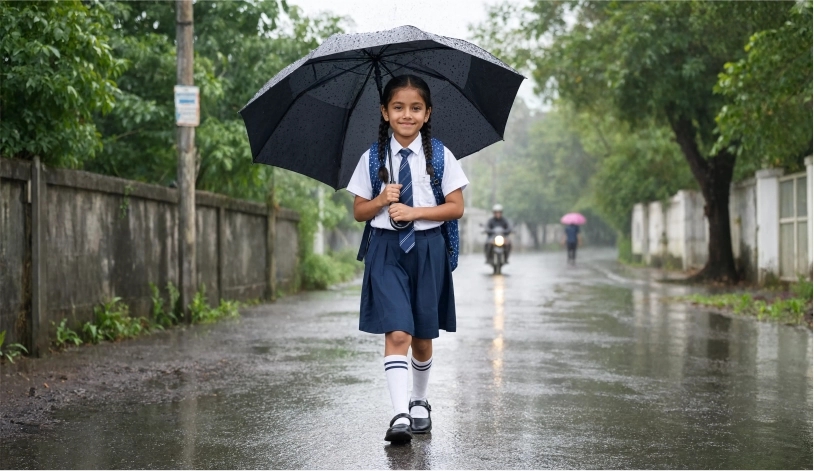
The start of the school year and the arrival of monsoon often overlap in Jaipur, creating the perfect setup for illnesses to spread quickly through classrooms. Shared water bottles, crowded corridors, and wet uniforms all add up, leaving many parents asking How can I prevent school infections? before the first sniffle even appears.
A few practical back to school health tips can meaningfully lower the number of sick days a child takes through the rainy months without requiring drastic changes to daily routine.
Why Schools Become Infection Hotspots in Monsoon
Classrooms bring together large numbers of children in close contact for hours, which naturally speeds up the spread of viral infections, especially once humidity rises. Wet shoes, damp uniforms, and shared stationery or tiffin items also increase the chances of picking up infections.
Combined with lower immunity from disrupted sleep during holidays or excitement around a new school term, this period tends to see a spike in colds, viral fevers, and stomach infections among school-going children.
Practical Steps for School Infection Prevention
A few simple habits support better School Infection Prevention with very little extra effort:
- Pack a spare pair of socks and teach children to dry feet and hands after getting wet
- Avoid walking through waterlogged areas near the school gate
- Reinforce regular handwashing before eating, even at school
- Send a personal water bottle rather than relying on shared taps or bottles
- Pack home-cooked tiffin instead of canteen snacks during peak monsoon weeks
Building Immunity Before the School Term Starts
A short window before school reopens is a good time to focus on sleep schedules, since irregular holiday sleep patterns often leave children more tired and susceptible once term begins. Reintroducing a fixed bedtime a week or two in advance eases this transition considerably.
Following seasonal Monsoon Health Tips for Kids, such as prioritising warm, freshly cooked meals and limiting sugary snacks, supports the immune system right when exposure to new germs at school is highest.
Know When a School-Related Illness Requires Attention
Most monsoon colds and mild fevers will disappear in a few days with rest and fluids, but a fever that persists for more than two to three days, persistent vomiting, or unusual lethargy should not be treated at home alone. Children with asthma or allergies may require closer monitoring, as monsoon infections can sometimes cause flare-ups.
A quick visit to a trusted Pediatric Clinic in Jaipur at the very first sign of a more serious illness, rather than waiting for days, often prevents complications and gets kids back to school faster.
Working with the School for Improved Prevention
Schools should let teachers know if any allergies or health issues have been identified so that they know what to do if a child is unwell during the day. Encouraging schools to maintain clean drinking water sources and dry classroom floors in the event of heavy rain also promotes the collective prevention, which is more than what any one family can do alone.
Little collaborative efforts by parents and schools tend to reduce the overall spread of monsoon infections in a classroom and benefit not just one’s child but every child.
Managing Allergies Alongside Monsoon Infections
Children with pre-existing allergies or mild asthma often find monsoon particularly challenging, since damp classrooms, mould, and sudden weather shifts can trigger flare-ups that are sometimes mistaken for a fresh infection. Keeping any prescribed inhalers or allergy medication easily accessible, and informing the school about these conditions, ensures a quicker response if symptoms appear during school hours.
Distinguishing between an allergy flare and an actual infection can be tricky for parents, since both can cause a runny nose or cough, which is another reason a paediatrician's guidance is valuable at the start of the school term for children with a known allergy history. A brief pre-monsoon check-up can also help identify children who may need a preventive plan in place before symptoms actually appear.
Conclusion
Monsoon and school reopening together bring a predictable rise in minor illnesses, but most of it is preventable with a few consistent habits at home and school. Preparing a child's immunity and routine a couple of weeks in advance goes a long way. For anything beyond a mild cold, Neo Clinic's pediatric clinic in Jaipur is always ready to help families manage the season with confidence.