
Learning Difficulties in School-Age Children: When to Seek Help
27 Jul, 2026
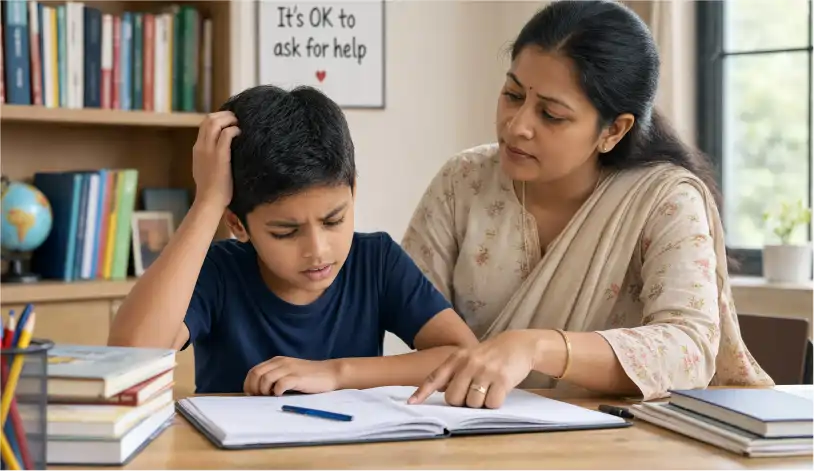
Many parents recognise this picture: sitting beside a child each evening as thirty-minute homework stretches into two hours, then hearing from the teacher that the child isn't keeping up while at home, that same child is clearly bright, curious, and engaging in every way. If that sounds familiar, a learning difficulty may be present. These conditions are more common than most people realise. With the right support from a child development center in Jaipur, children with learning differences don't just manage they genuinely thrive.
What a Learning Difficulty Actually Is
Learning difficulty is not a measure of intelligence. It refers to a difference in how a child's brain processes, stores, or communicates information, which makes specific academic tasks significantly harder than expected for their age and ability. Learning difficulties are neurological in origin. They are not caused by lack of effort, poor teaching, or anything the parents did or didn't do.
Common Types of Learning Difficulties
Understanding what type of difficulty present matters is because the support required looks quite different for each one.
- Dyslexia: difficulty decoding written words, letter reversals, slow and effortful reading
- Dysgraphia: poor and laboured handwriting, significant difficulty organising thoughts in writing
- Dyscalculia: persistent trouble with numbers, sequences, and mathematical reasoning
- Dyspraxia (DCD) affects motor coordination, handwriting quality, and everyday organisation
- Auditory Processing Disorder: difficulty making sense of spoken language despite completely normal hearing
Warning Signs Worth Acting On
These signs appearing in isolation are sometimes just developmental variations. When several of them appear together and persist despite support at home and school, formal assessment is the right next step.
- Difficulty learning the alphabet, numbers, or days of the week in early childhood
- Slow or inaccurate reading substituting, skipping, or reversing letters well beyond the age where this is normal
- Handwriting that stays messy and very effortful despite the child clearly trying
- Difficulty following multi-step instructions at home and in the classroom
- Trouble remembering what was just read, even moments after reading it aloud
- Strong avoidance of reading or writing activities, sometimes with emotional resistance
- Academic results noticeably below what the child's apparent intelligence would suggest
- Anxiety, tearfulness, or consistent refusal around schoolwork
Learning Disability Diagnostic and Support in Jaipur
In Jaipur, a proper learning disability assessment involves a comprehensive psychoeducational evaluation of cognitive ability, academic achievement, processing skills and emotional health combined. Support plans are then created based on what that specific child actually needs, not a one-size-fits-all intervention for all learning difficulties.
- Specialist or remedial teaching in the particular area of difficulty
- Fine Motor Problems Handwriting and Daily Activities Occupational Therapy
- Speech and language therapy, where language processing is part of the problem
- School accommodations: extra time on exams, spoken responses instead of written responses
- Assistive technology such as text to speech software, reading pens,
- Academic support and counselling to build resilience and self-confidence
Early detection really makes a difference
- The sooner the learning difficulty is identified, the more effective the intervention and the less of the child’s confidence is lost before school becomes a daily failure.
- Pre-reading skills at ages four and five are important to notice and include rhyme, letter sounds and print awareness are early indicators
- Raise concerns as soon asarise, rather than waiting for the child to catch up their own.
- Share observations with the school and paediatrician simultaneously
- Don’t say people are lazy when they struggle for periods of time. Kids don’t usually opt to make learning more difficult than their peers
When to See a Child Specialist in Jaipur
If a primary school child is consistently falling behind despite support at home and school, formal assessment should not be delayed further. A child specialist in Jaipur specialising in developmental concerns will identify whether a specific learning difficulty is present and what support would genuinely help.
Conclusion
A learning difficulty found early and properly supported is not a barrier to a full academic life, it's a detour that, with the right guidance, leads to the same destination. Many people with dyslexia, dyscalculia, or dyspraxia go on to university and careers they're proud of. What they often share is an early assessment that gives them and their families a clear picture of how their brains work. Book an assessment with a developmental pediatrician in Jaipur at Neo Clinic that clarity is the most useful first step.