
How to Build Strong Immunity in Children Before the Monsoon Season
10 Aug, 2026
The arrival of the first monsoon showers every year in Jaipur sees a sudden surge in coughs, colds, fevers and stomach infections in pediatric OPDs. The rains are here and parents often ponder the same question, why does my child fall sick so easily? The answer often lies in how well a child’s body is primed before the season changes.
Making a Child Immunity Booster in Jaipur routine few weeks before monsoon can really help. It's not a magic bullet, but a mix of small, everyday habits that build a child's defenses and keep them ready.
Why Monsoon Is Tough on Children's Health
The monsoon brings a sudden drop in temperature, higher humidity, and waterlogging, which together create the perfect environment for viruses, bacteria and mosquito-borne infections to thrive. Children are more vulnerable because their immune systems are still developing and they spend long hours outdoors during school and play.
Common seasonal problems include viral fevers, throat infections, diarrhoea, and allergic coughs. Many of these can be reduced simply by strengthening the body's natural defences before the season sets in, rather than only treating symptoms after they appear.
Diet: The Real Foundation of Immunity
Parents frequently ask How to increase immunity in children naturally? and the honest answer starts in the kitchen. A colourful plate with seasonal fruits like papaya and pomegranate, along with vegetables such as bottle gourd, carrots and spinach, gives children the vitamins A, C and zinc their bodies need to fight infections.
Warm, home-cooked meals are easier to digest than fried or roadside food during monsoon, when water contamination risk is higher. Adding a teaspoon of soaked almonds, a boiled egg, or a bowl of dal at lunch builds protein reserves that support faster recovery if a child does fall ill.
Curd, buttermilk and other mild probiotic foods also help maintain healthy gut bacteria, which plays a bigger role in immunity than most parents realise. A well-fed gut often means fewer stomach upsets through the rainy months.
Sleep, Hygiene and Daily Habits
Immunity is not built by diet alone. Children who sleep less than eight to ten hours a night tend to fall sick more often, since the body repairs and produces immune cells mostly during deep sleep. A fixed bedtime, even during school holidays, helps regulate this cycle.
Simple hygiene habits carry enormous weight during monsoon and prevent a large share of seasonal infections. A few practical Monsoon Health Tips for Kids worth following at home:
- Wash hands before meals and after coming home from school or play
- Dry feet thoroughly after getting wet; avoid stagnant puddles on the way to school
- Keep nails trimmed and school water bottles cleaned daily
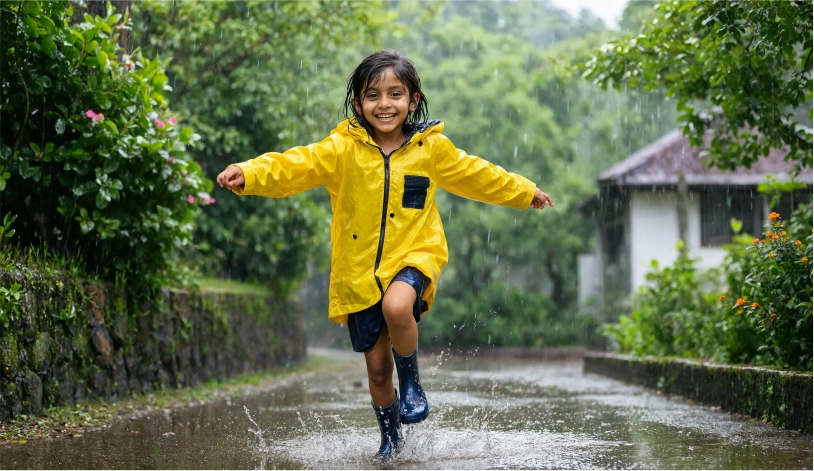
- Carry a light raincoat and change out of wet uniforms quickly
- Avoid street food and roadside water, especially near waterlogged areas
Physical Activity and Outdoor Play
Rain often keeps children indoors for days, but movement should not stop. Indoor activities like skipping, dancing, or simple stretching keep blood circulation active, which supports a stronger immune response. Even twenty minutes of daily activity is enough to make a noticeable difference over a few weeks.
On dry days, a short walk or cycle ride in the early morning, when pollution and humidity are lower, gives children fresh air and mild sun exposure, both of which support healthy vitamin D levels.
When to Consult a Pediatrician
Home care works well for mild, occasional illness, but recurrent fevers, persistent cough, or repeated stomach infections through the season are signals that a child's immunity may need closer attention. This is when a proper check-up with the Best Pediatrician in Jaipur becomes important, rather than relying only on home remedies.
A qualified pediatrician can assess growth patterns, vaccination status and any underlying deficiencies, such as low vitamin D or iron, that make a child more prone to falling sick. At a well-equipped Pediatric Hospital in Jaipur, timely blood work and vaccination updates before monsoon can prevent many of the illnesses parents dread each year.
Building Immunity at Different Ages
Toddlers and infants rely almost entirely on the immunity habits parents build around them, including breastfeeding where possible, timely vaccination, and a clean feeding environment, since their own immune systems are still in the earliest stages of development.
School-going children benefit more from consistent sleep, balanced tiffins and outdoor play, as their exposure to germs increases sharply once classroom contact begins. Pre-teens and teenagers often need reminders about hydration, reduced junk food and adequate rest, since growing independence can mean less parental oversight of daily habits precisely when hormonal changes increase the body's nutritional demands.
Tailoring immunity-building efforts to a child's age, rather than following one generic routine for the whole family, tends to produce steadier, more noticeable results through the monsoon months.
Conclusion
Monsoon does not have to mean months of runny noses and missed school days. With balanced meals, good sleep, basic hygiene and regular movement, most children can sail through the season with far fewer illnesses. And when extra support is needed, Neo Clinic's pediatric team in Jaipur is always ready to guide families through every seasonal health concern, from immunity building to vaccination planning.